

36th ESPU Congress 2026 in Paris: Dr. Prabhu Karunakaran Strengthens India’s Presence in Global Pediatric Urology
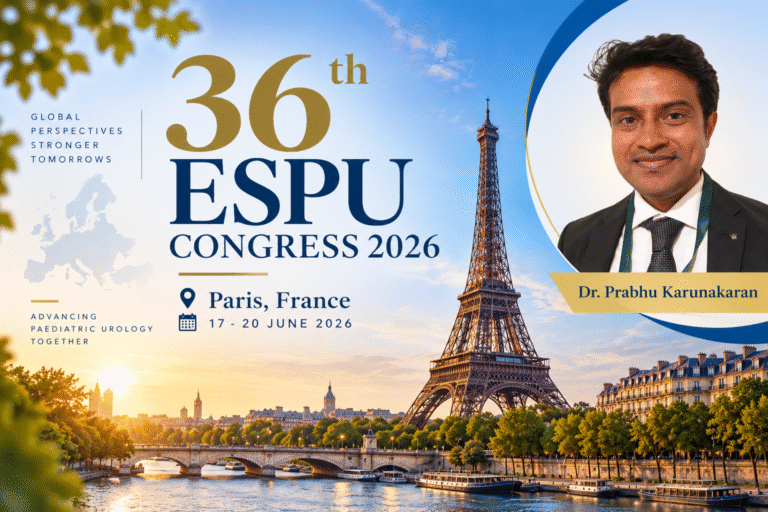
The global paediatric urology community came together in Paris, France, from 17 to 20 June 2026 for the 36th Annual Congress of the European Society for Paediatric Urology (ESPU), bringing specialists from across countries together for scientific exchange, professional interaction and collaboration.
For Dr. Prabhu Karunakaran, Pediatric Urologist in Hyderabad, the congress was an opportunity to represent India at an important international platform. He attended the meeting in his capacity as Secretary of the Society of Pediatric Urology (SPU-IAPS), connecting with leading paediatric urologists from around the world and engaging in discussions aimed at strengthening international academic relationships.
The four-day meeting provided exposure to developments across several areas of paediatric urology, including paediatric robotic surgery, minimally invasive techniques, reconstructive urology and paediatric stone disease.
For Dr. Prabhu, however, the significance of the Paris visit extended beyond the scientific programme itself. It was also an opportunity to build professional connections, exchange experiences with colleagues and explore ways in which stronger international collaboration could contribute to the future of paediatric urology.
Representing India on an International Pediatric Urology Platform
International scientific meetings provide an important setting for specialists to compare approaches, share experience and stay connected with developments taking place across different healthcare systems.
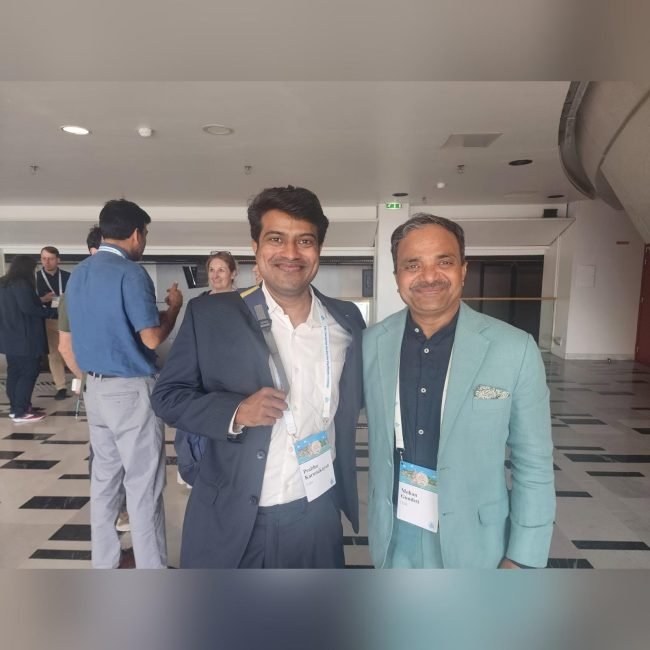
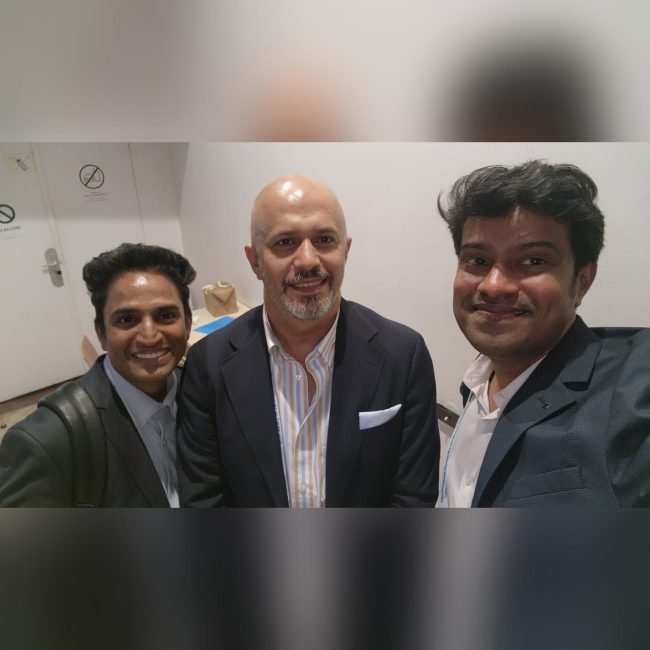
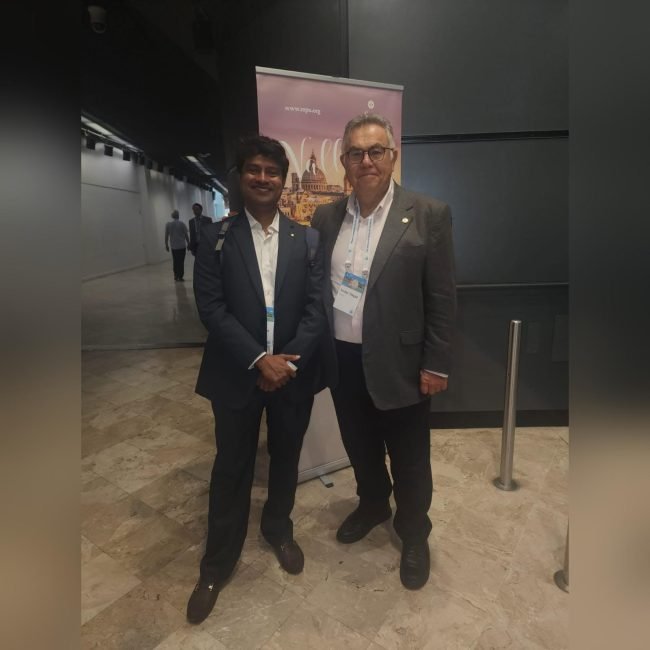
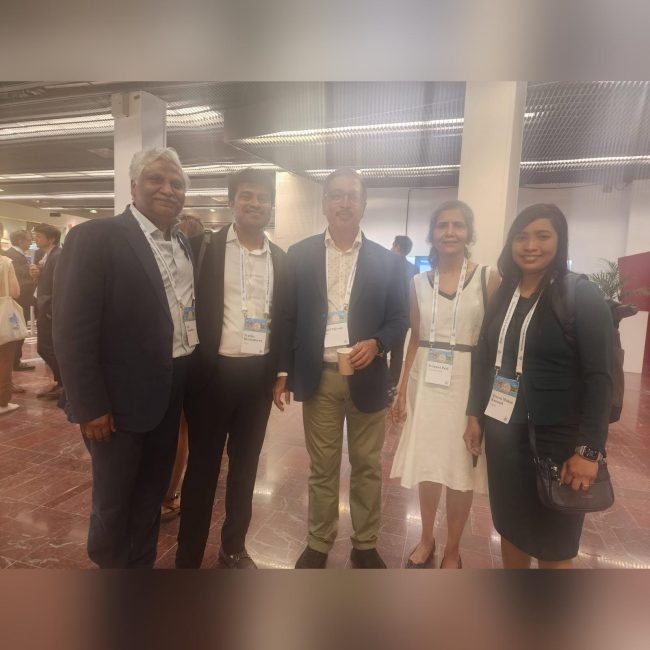
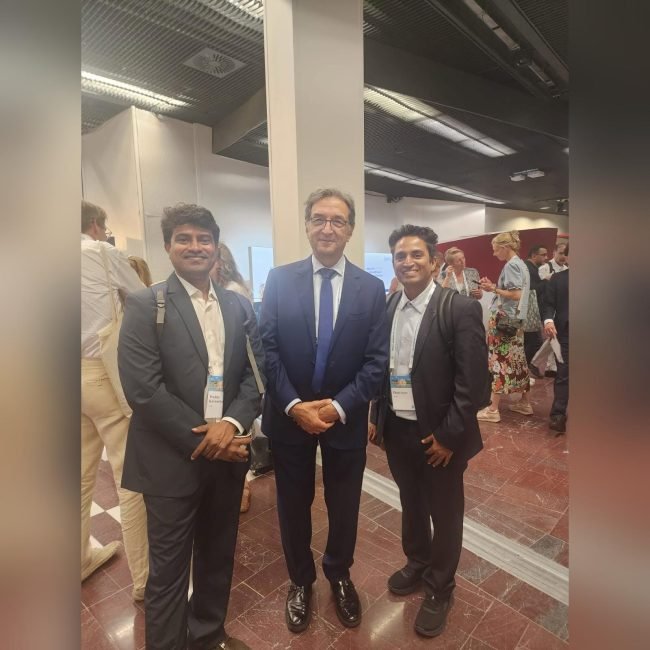
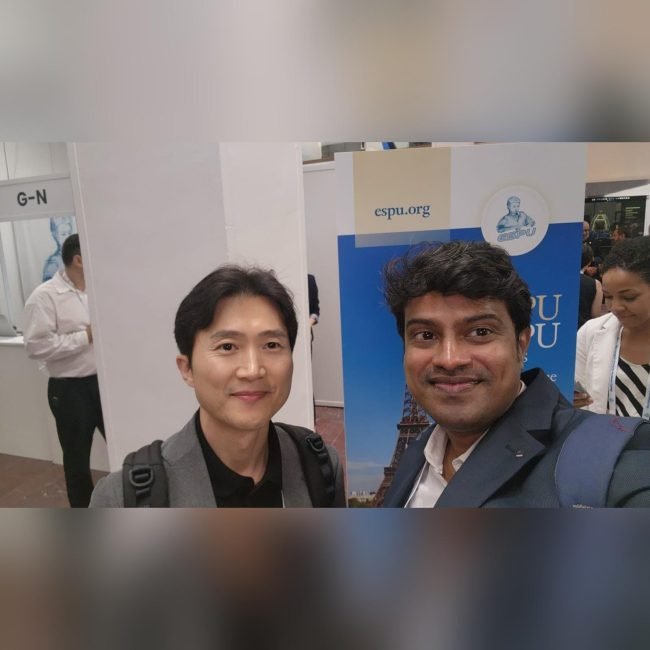
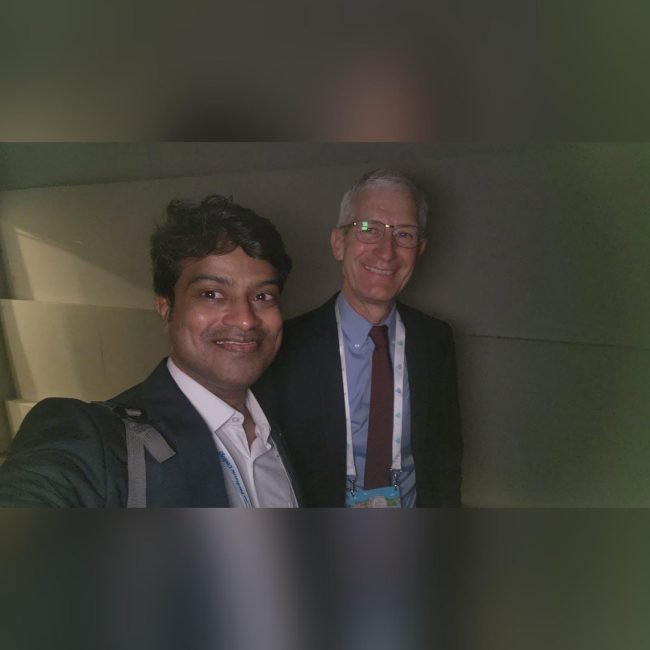
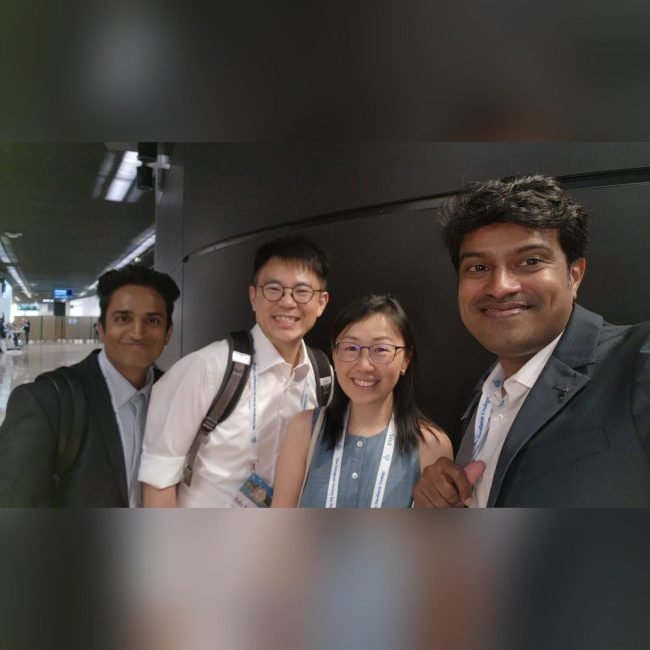
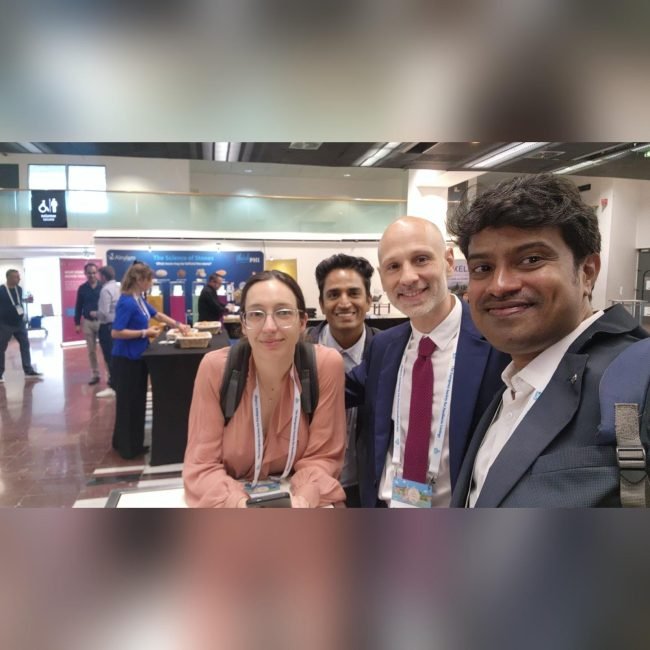
At the 36th ESPU Congress, Dr. Prabhu had the opportunity to interact with several internationally recognised paediatric urologists, including Dr. Mohan Gundeti and Dr. Martin Kaefer from the United States, Prof. Sardar Tekgül, Prof. Alaa El Ghoneimi from France, Dr. Jade from Hong Kong, Prof. Bebe from the United Kingdom and Dr. Sheron Mohan from Ireland.
The interactions provided an opportunity to exchange perspectives on the evolving practice of paediatric urology and to develop relationships with specialists working in different parts of the world.
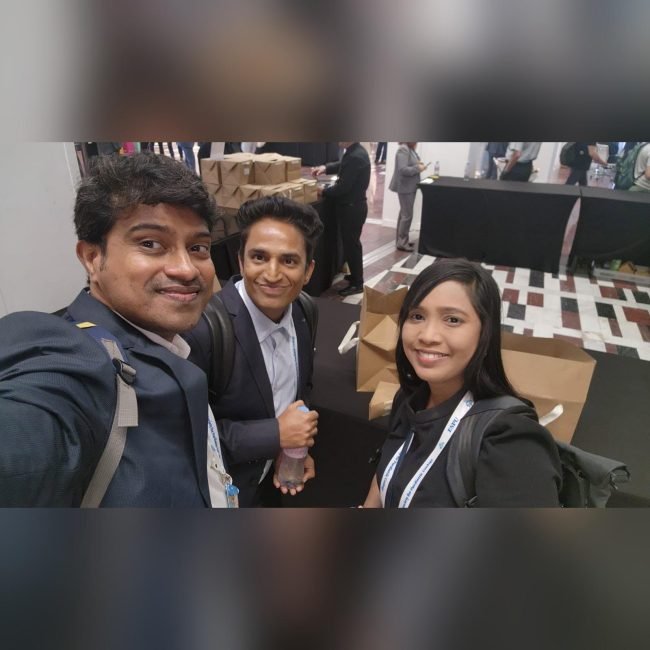
Dr. Prabhu also met several colleagues from India, including Dr. Sujith Chowdary, Dr. Phani, Dr. Rajesh Yerra and Dr. Anil Takwani, alongside many other paediatric urology colleagues and collaborators.
These professional connections are an important part of major international congresses, where scientific learning is accompanied by discussions that can continue well beyond the conference itself.
A Meeting Shaped by Advances in Pediatric Urology
The ESPU Congress provided a broad perspective on developments taking place across the specialty.
Dr. Prabhu Karunakaran’s account of the meeting highlights advances in robotic surgery and minimally invasive paediatric urological procedures, together with developments in reconstructive urology and paediatric stone disease.
These areas represent important components of contemporary paediatric urology, where the continued development of minimally invasive techniques and specialist surgical expertise is accompanied by an increasing emphasis on multidisciplinary knowledge and long-term patient outcomes.
Being present at an international meeting of this scale also allows clinicians to observe how different centres approach complex clinical problems and to bring those perspectives back into their own academic and clinical environments.
For an Indian paediatric urologist participating in a global forum, the value lies not only in learning what is new, but also in understanding how international experience can inform local practice, education and future collaboration.
Building Stronger Links Between SPU and ESPU
One of the most significant aspects of Dr. Prabhu Karunakaran’s visit was his role as Secretary of the Society of Pediatric Urology (SPU-IAPS).
During the congress, he had discussions focused on strengthening academic collaboration between SPU and ESPU, with the aim of developing closer links between the two professional communities.
The areas identified for potential collaboration include joint educational initiatives, collaborative research, fellowships and knowledge exchange.
Such initiatives can help create longer-term academic relationships between institutions and professional societies, providing opportunities for clinicians and trainees to share expertise, participate in educational programmes and collaborate on research.
This aspect of the Paris visit gives the conference a wider significance. Beyond attending scientific sessions, Dr. Prabhu Karunakaran used the international platform to support stronger connections between Indian and European paediatric urology, with the broader objective of advancing education and knowledge exchange.
From International Exchange to Better Care for Children
The Paris experience extended well beyond the scientific sessions, giving Dr. Prabhu Karunakaran an opportunity to engage with colleagues, exchange ideas and build professional relationships within the international paediatric urology community.
As Secretary of the Society of Pediatric Urology (SPU-IAPS), he also held discussions with the European Society for Paediatric Urology (ESPU) on strengthening academic collaboration between the two organisations. Potential areas of cooperation include joint educational initiatives, collaborative research, fellowships and knowledge exchange.
These interactions highlighted the value of sustained international engagement in paediatric urology, creating opportunities for clinicians and trainees to learn from one another and develop stronger academic networks.
For Dr. Karunakaran, the 36th ESPU Congress was therefore not only an opportunity to represent India, but also a chance to carry new perspectives, professional connections and collaborative possibilities back home, with the broader goal of contributing to better care for children with urological disorders.