

ROBOCOPS 2026: Dr. Prabhu Karunakaran on the Right Approach to Pediatric Robotic Surgery
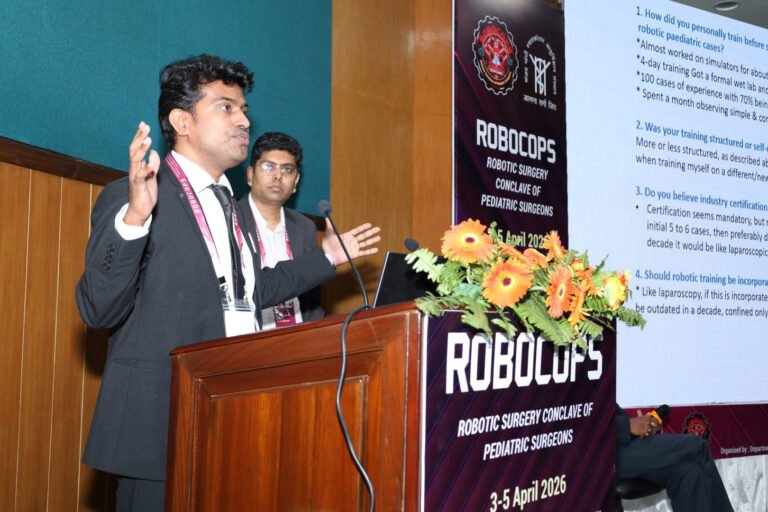
Pediatric robotic surgery is entering a defining phase in India, and the conversations taking place today may shape how the field develops for years to come. This was one of the central themes at ROBOCOPS 2026 (Robotic Surgery Conclave of Pediatric Surgeons), held at Sanjay Gandhi Postgraduate Institute of Medical Sciences (SGPGIMS) from April 3 to 5, 2026. The conclave brought together pediatric surgeons, robotic surgery experts, and academic leaders to discuss an important challenge facing modern pediatric surgical care: as robotic surgery expands rapidly across healthcare, how can pediatric robotic surgery grow in a way that remains safe, structured, and truly centered around the needs of children?
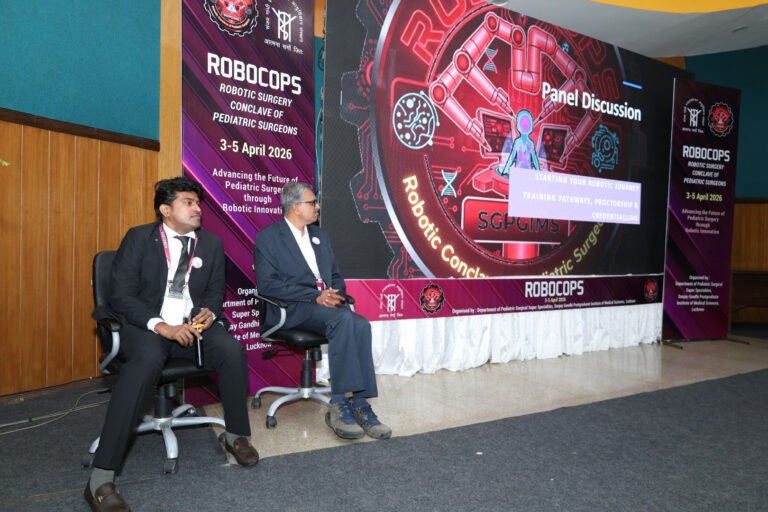
Among the expert panelists was Dr. Prabhu Karunakaran, exclusive pediatric urologist from Hyderabad, who shared key insights on why pediatric robotic surgery must evolve through specialized training, long-term thinking, and stronger institutional systems rather than simple technological expansion.
Why Pediatric Robotic Surgery Cannot Follow Adult Surgical Models
One of the strongest points emphasized during the discussions was that pediatric robotic surgery cannot simply be adapted from adult robotic surgical practices. Dr. Prabhu Karunakaran highlighted that children are not “small adults,” and pediatric robotic surgery is not just smaller surgery performed with robotic systems. Pediatric patients have unique anatomical, physiological, and developmental considerations that demand a completely different surgical mindset.
The panel emphasized that successful pediatric robotic surgery requires:
- Pediatric-specific expertise
- Precision-focused surgical planning
- Specialized training pathways
- Long-term outcome-based thinking
The discussions reinforced the idea that pediatric robotic surgery should be treated as a distinct and evolving surgical science rather than a scaled-down extension of adult robotic procedures.
The Need for Structured Robotic Training Pathways
As robotic surgery becomes increasingly common, the need for formal and structured pediatric robotic surgery training emerged as a major area of discussion at ROBOCOPS 2026.
Experts stressed that rapid adoption without proper educational systems could lead to inconsistent outcomes and variable surgical standards. Instead, the focus must remain on creating organized learning pathways that prepare pediatric surgeons for the unique technical and clinical demands of robotic surgery in children.
The panel discussed the importance of:
- Simulation-based robotic training
- Proctorship and mentorship models
- Supervised surgical learning
- Standardized credentialing systems
- Competency-driven progression
Expanding Access Beyond Major Cities
Another major focus of the conclave was improving access to pediatric robotic surgery beyond major metropolitan centers.
The panel discussed how advanced robotic surgical care in children should not remain limited to a small number of high-volume urban institutions. Expanding access will require broader infrastructure development, wider training opportunities, and stronger institutional collaboration across different regions of the country.
The discussions emphasized that meaningful progress depends not only on innovation, but also on accessibility and system-wide growth. Building sustainable pediatric robotic surgery programs across India will be essential for ensuring that more children can benefit from advanced surgical care.
Building Systems, Not Just Individual Expertise
A recurring theme throughout ROBOCOPS 2026 was the importance of building systems rather than relying solely on individual excellence.
Dr. Prabhu Karunakaran emphasized that India has the potential to emerge as a global leader in pediatric robotic surgery. However, achieving that leadership will require strong institutional frameworks, standardized training systems, collaborative learning environments, and responsible expansion strategies.
The discussions reflected a growing recognition that the future of pediatric robotic surgery cannot depend only on technological advancement or isolated expertise. Long-term progress will depend on creating sustainable systems that prioritize safety, consistency, education, and child-focused care.
A Shift in the National Conversation
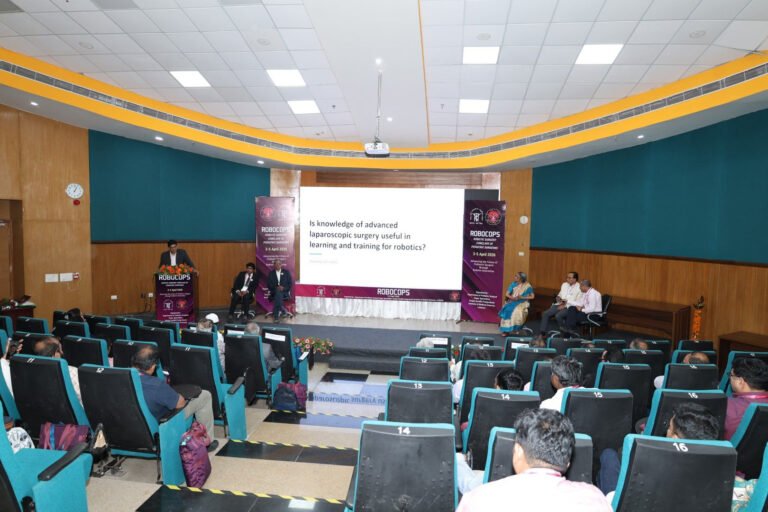
One of the most important takeaways from ROBOCOPS 2026 was the shift in how pediatric robotic surgery is being viewed within the surgical community.
The conversation is no longer centered on whether robotic surgery can be performed in children. Instead, the focus is moving toward a far more important question: Are we building pediatric robotic surgery in the right way?
The discussions at the conclave reflected a broader commitment toward responsible growth, structured learning, and pediatric-specific surgical standards as robotic surgery continues to evolve across India. Dr. Prabhu Karunakaran’s participation and insights contributed meaningfully to this important national discussion on shaping safer, more structured, and future-ready pediatric robotic surgical programs in the country.